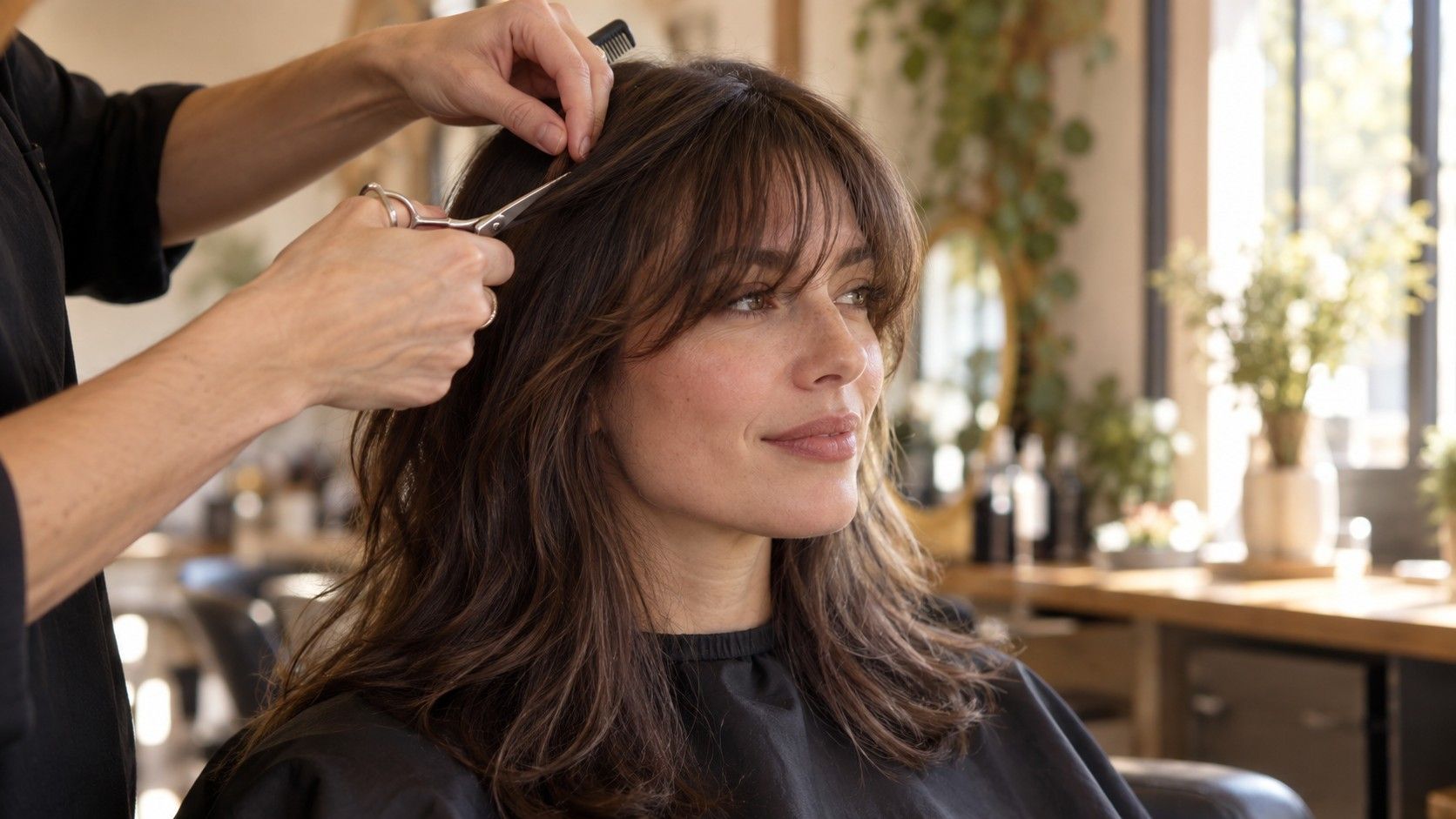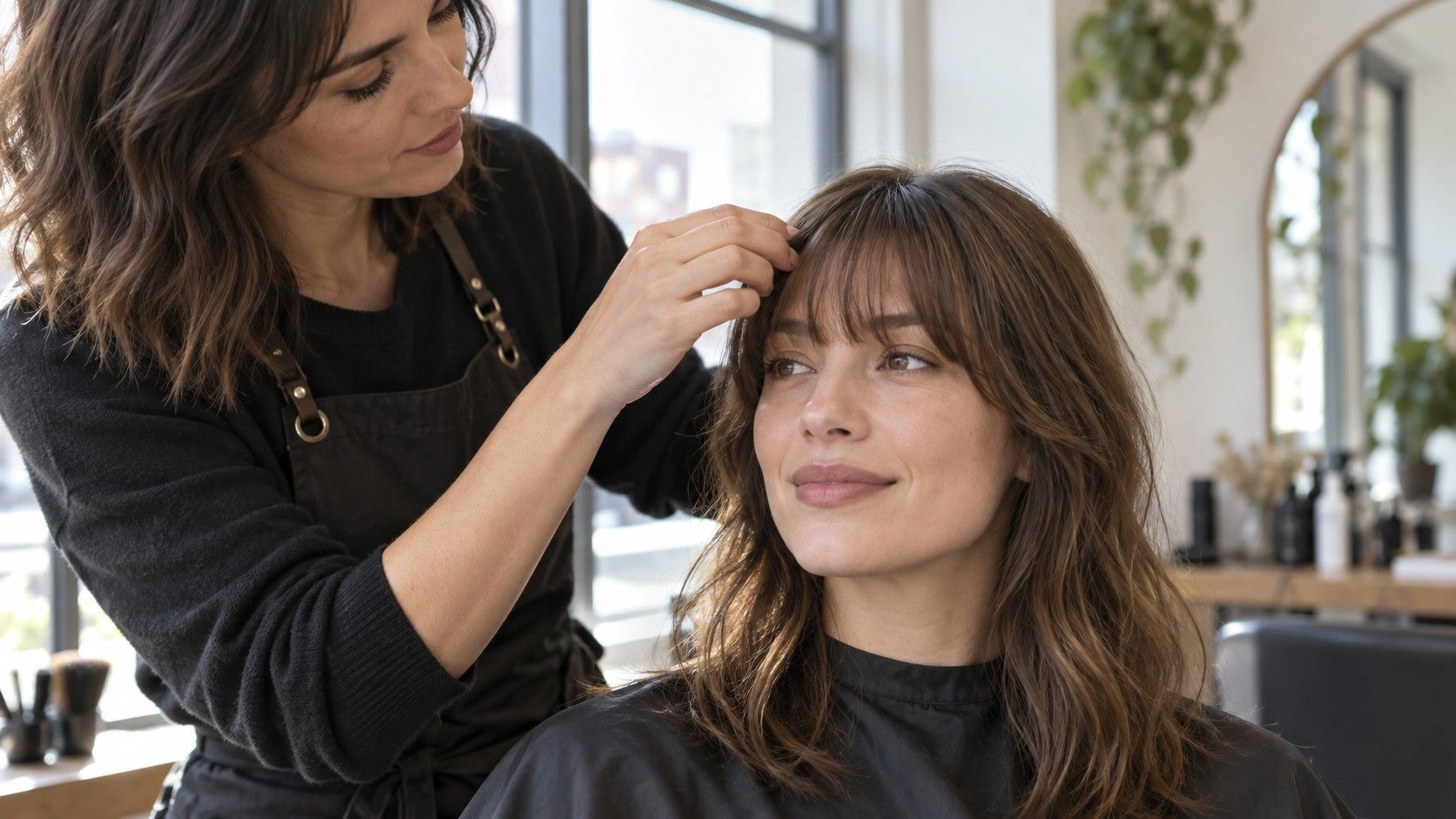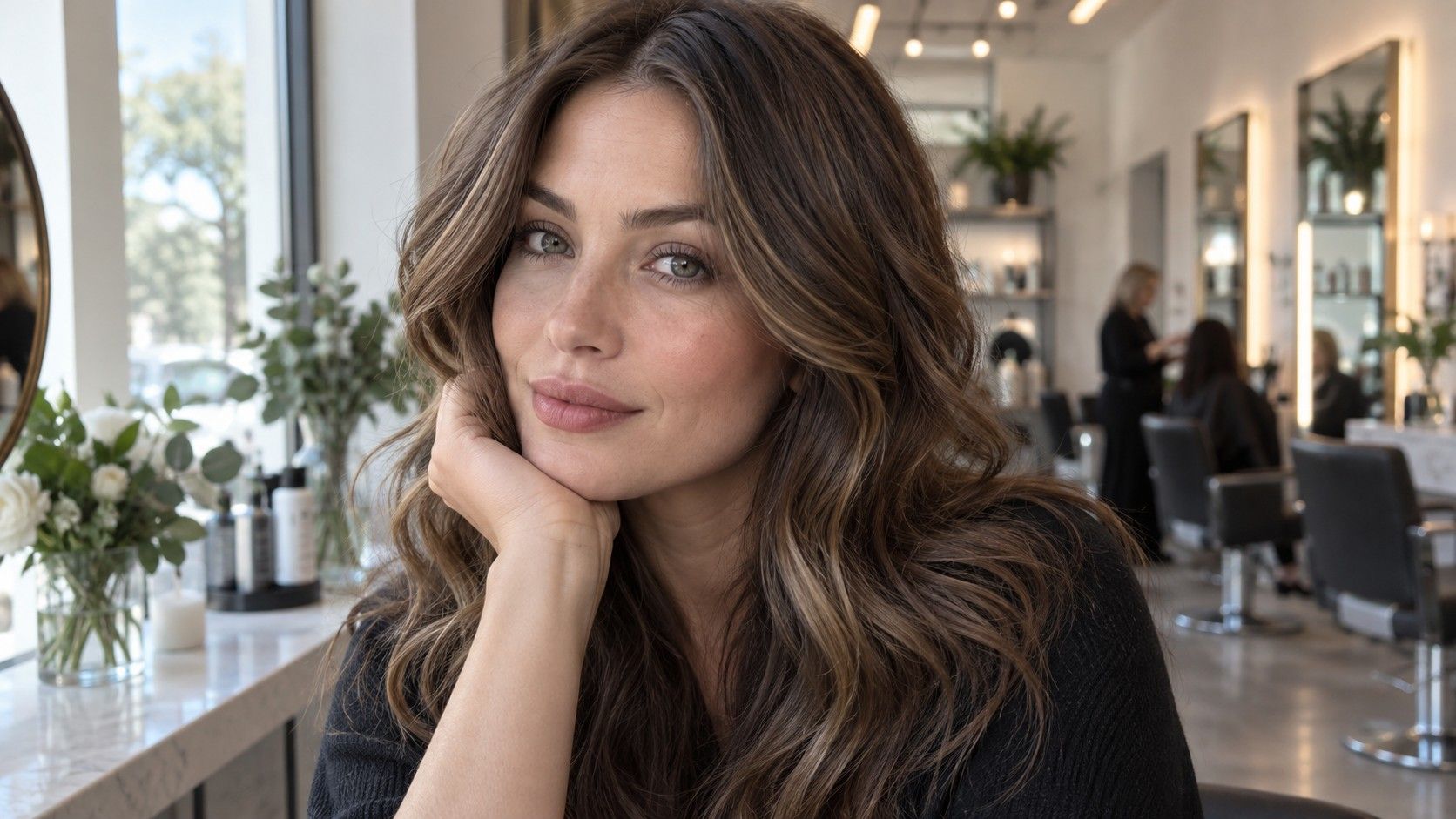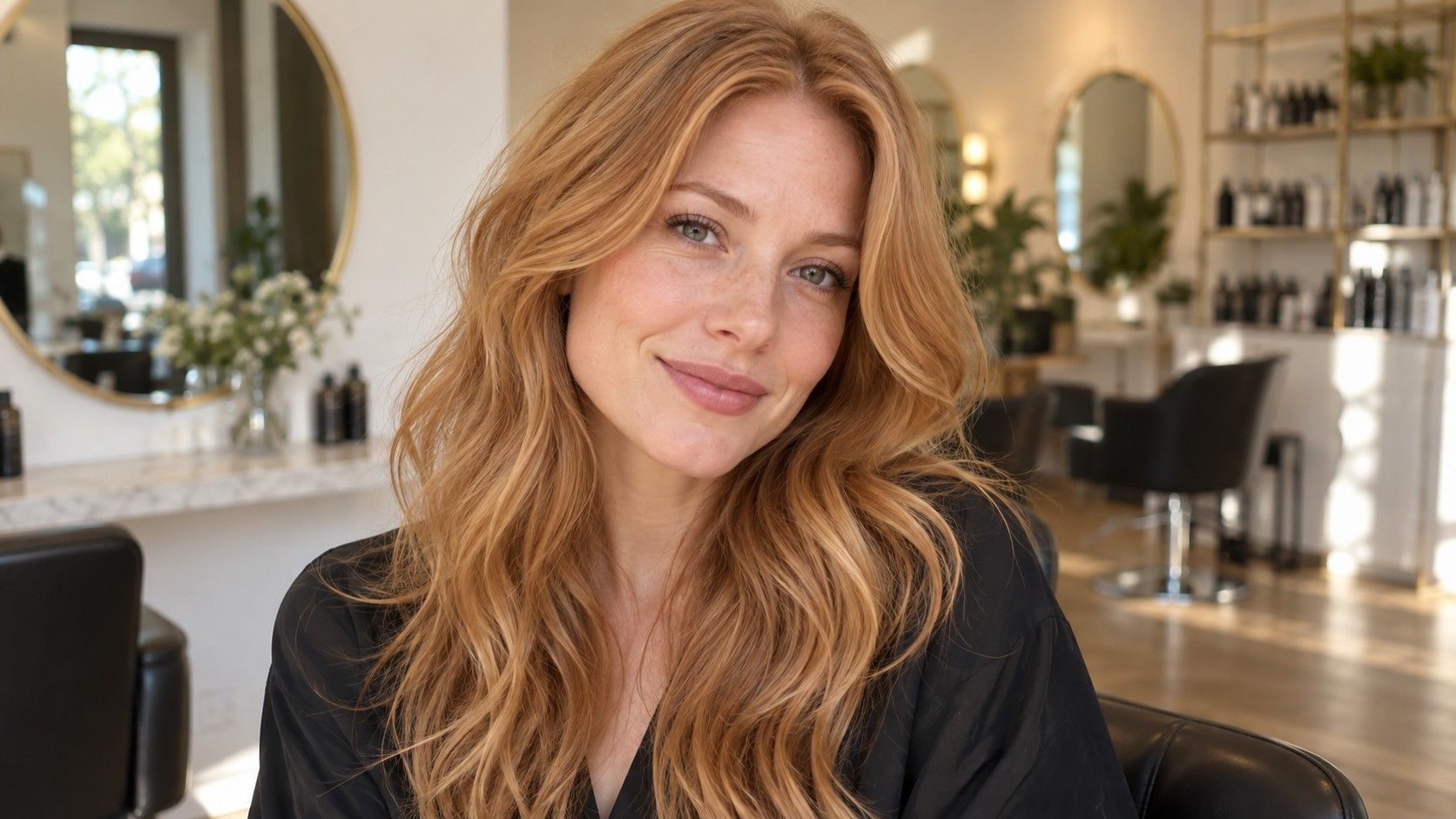
Warm Spring hair colours are often described as sunny, which is pleasant but not very useful when you are sitting under harsh salon lights deciding between three nearly identical swatches. The real choice is usually between a colour that keeps the skin looking awake and one that makes it look oddly grey or overly orange. If you have warm undertones and a naturally fresh, clear look, the best hair color for warm undertone skin tends to have visible warmth plus enough light and movement to avoid a flat result.
Use the Warm Spring label as a starting point, not a dye formula
Warm Spring is a helpful shorthand for golden or peachy skin, clear eyes, and colouring that can carry warmth without looking heavy. It does not tell a colourist that every client needs the same level seven gold. Your current base, how much grey you cover, the condition of your ends, and the colour of your brows all change the answer. Someone with naturally dark blonde hair may need only a honey gloss; someone with medium brown hair may need a few carefully placed golden ribbons.
A quick mirror check is more useful than trying to diagnose yourself from one filtered photo. Hold a warm ivory top and a dusty beige top near your face in daylight. If the ivory makes your eyes look sharper while the beige seems to drain the colour from your lips, you probably need clarity more than softness. That is why warm spring hair colors are not simply anything golden. The warmth needs to look clean rather than smoky, murky, or aggressively brassy.
Choose blonde by looking at the root and the regrowth plan
For a light starting base, strawberry blonde, honey blonde, butter blonde, and pale golden beige can be very kind to Warm Spring colouring. The useful distinction is not the salon-menu name but whether the gold is present at the root-to-midlength transition. A very pale highlight sitting on an ash root can make even a flattering warm face look disconnected. Ask to see the formula or a strand swatch against your natural root, not only against a white salon cape.
Strawberry blonde works best when it reads as blonde first and copper second. On a level seven or eight base, a delicate peach-gold gloss and fine highlights can give that effect without turning the whole head orange. It is a sensible option for someone who wants a change but has a low tolerance for a hard regrowth line. A full bleach-and-tone blonde, even when beautifully warm on day one, asks for more frequent toning and root appointments than many people expect.
Honey blonde is easier to live with because it allows depth beneath the lighter pieces. Keep a little gold around the face, but leave enough of the natural base at the crown for the colour to look dimensional in ordinary indoor light. If your hair is fine, broad blocks of pale blonde may reveal the scalp more than you intended. Fine babylights with a warm gloss often create more brightness and less maintenance drama.
Brown does not have to mean dull: look for warm light inside it
Medium brown is one of the strongest choices when the goal is a polished colour that still feels believable after six weeks. Think caramel, golden chestnut, warm hazelnut, or cinnamon brown rather than a cool mushroom brown. The difference is visible around the temples: a little reflected warmth can make the skin look more even, while a dense grey-brown can put shadow under the eyes. This matters especially if you wear minimal makeup on weekdays.
Ask for brightness in selected places rather than an all-over lighter brown. A colourist can paint a few narrow pieces around the hairline and through the top layer, then use a warm brown gloss over the rest. This is kinder to previously coloured hair and gives the movement that a single flat shade lacks. In a ponytail or under a coat collar, the gold flashes through instead of disappearing into one dark mass.
Warm brown should still be judged in outdoor shade. Direct sun makes nearly any brown look golden; shade reveals whether it has become too red, too muted, or too opaque. If a sample looks charming only under the salon lamp, do not build a whole appointment around it. A good warm brown remains lively in the supermarket mirror, on a cloudy walk, and in a video call, not only in a carefully styled reveal.
Let copper be golden and transparent rather than loud
Golden copper can be excellent for a Warm Spring, but it is also the shade most likely to outrun the original plan. A deep mahogany or wine-red colour often reads too cool and dramatic beside clear golden undertones. A very saturated orange can dominate the face. The softer middle ground is apricot copper, light cinnamon, or a golden ginger with small variations through the lengths. It looks more like hair catching late-afternoon light than a solid block of pigment.
Before committing, test copper where it matters: beside your eyebrows and at the front hairline. Dark, cool brows paired with bright copper can make the entire result look accidental. You may not need to dye brows, but a slightly warmer brow pencil or tinted gel can make the relationship feel intentional. Also ask how the colour will fade. Copper molecules release quickly, and a realistic plan includes a colour-depositing conditioner or gloss appointment before the shine disappears.
| Direction | What to ask for | Watch for |
|---|---|---|
| Strawberry blonde | Fine warm highlights with a peach-gold gloss | Too much red at the root |
| Honey blonde | Golden ribbons over a connected natural root | Very pale, ash-toned ends |
| Warm brown | Caramel or hazelnut light around the face | Flat grey-brown coverage |
| Golden copper | Apricot or cinnamon dimension, not one solid tone | Dark wine red or fluorescent orange |
Skip colours that are muted, smoky, or too cool for your natural contrast
The shades that frequently disappoint Warm Spring clients are not always obviously bad colours. Mushroom brown, taupe blonde, ash beige, charcoal lowlights, and mauve-red can look elegant on a swatch. The issue is that their greyed-down quality competes with clear warmth in the complexion. Instead of looking sophisticated, the hair may seem to sit in front of the face like a separate, slightly dusty object.
Be careful with the phrase neutralise the brass. In salon language, it can mean balancing a genuinely orange band, which is useful. It can also mean removing the golden tone that made the colour work for you. Natural warmth is not a mistake. Brassiness usually looks uneven, overly yellow at the ends, or orange against an otherwise pale blonde; warm colour looks deliberate and connected to the skin. Ask the stylist to preserve a golden finish while correcting only the unwanted banding.
Test the warmer direction before you make a large correction
A face frame, gloss, or a few low-commitment highlights can answer more than a dramatic all-over change. Take photos in window light before the appointment, then repeat the same angle a week later when you have washed and styled it yourself. The first salon reveal has blow-dry volume, perfect lighting, and the emotional lift of doing something new. Your own bathroom mirror after a rushed Tuesday morning is a stricter and more honest judge.
Bring three reference photos that show the same idea at different distances: one overall shade, one close-up at the root, and one image of the colour outdoors. Tell the colourist which part you like in each photo. Saying I want this blonde gives very little information; saying I want honey near my face but not a strong root line is practical. Mention your heat styling, swim schedule, and whether you can return in six or eight weeks, because maintenance is part of the colour, not an unpleasant surprise after it.
The most successful warm spring hair colour is usually the one that looks clear before it looks expensive. It should make your eyes and skin do some of the work, leave enough depth to feel like your own hair, and survive a normal week without requiring a ring light to prove it was a good idea.