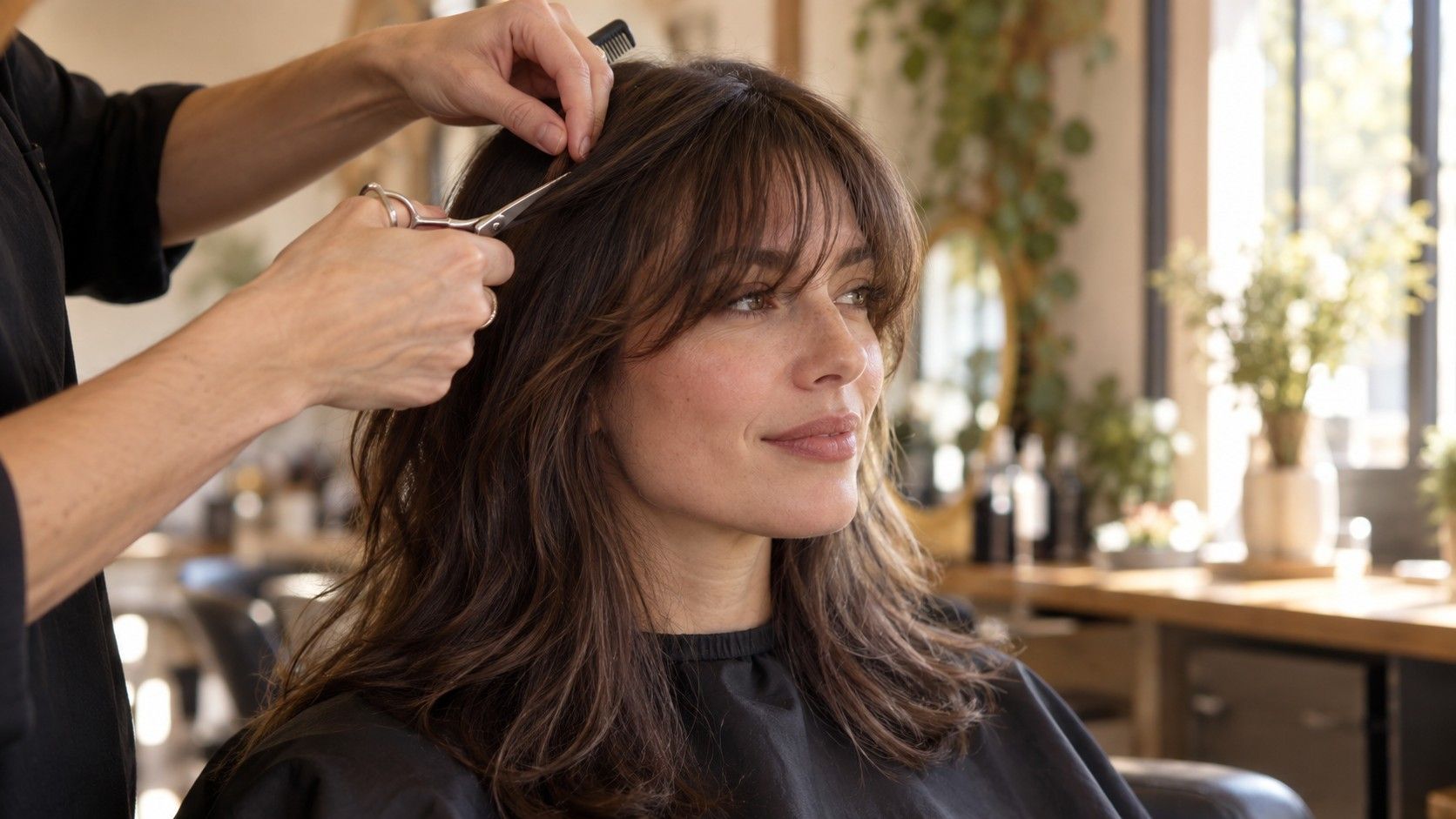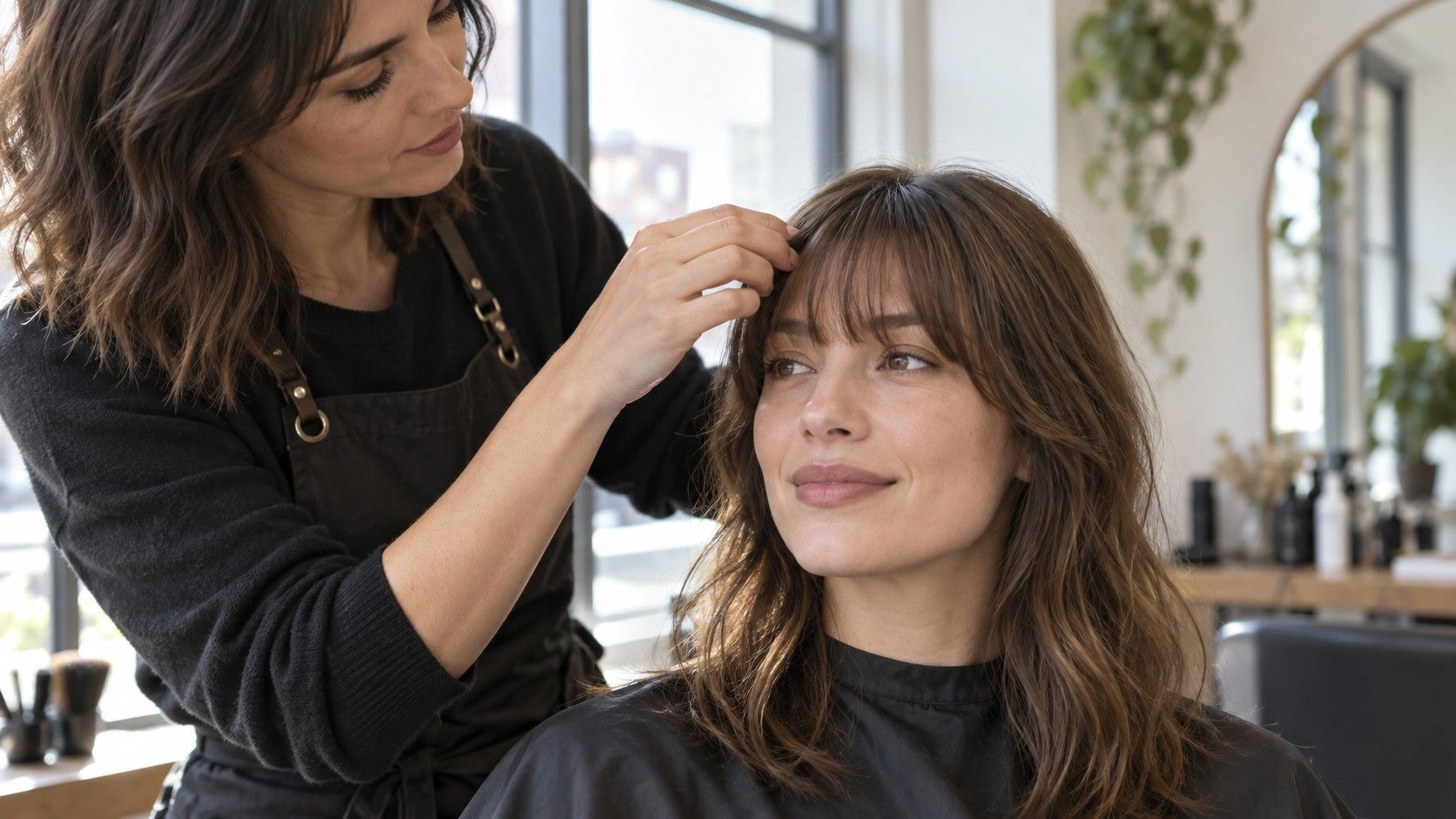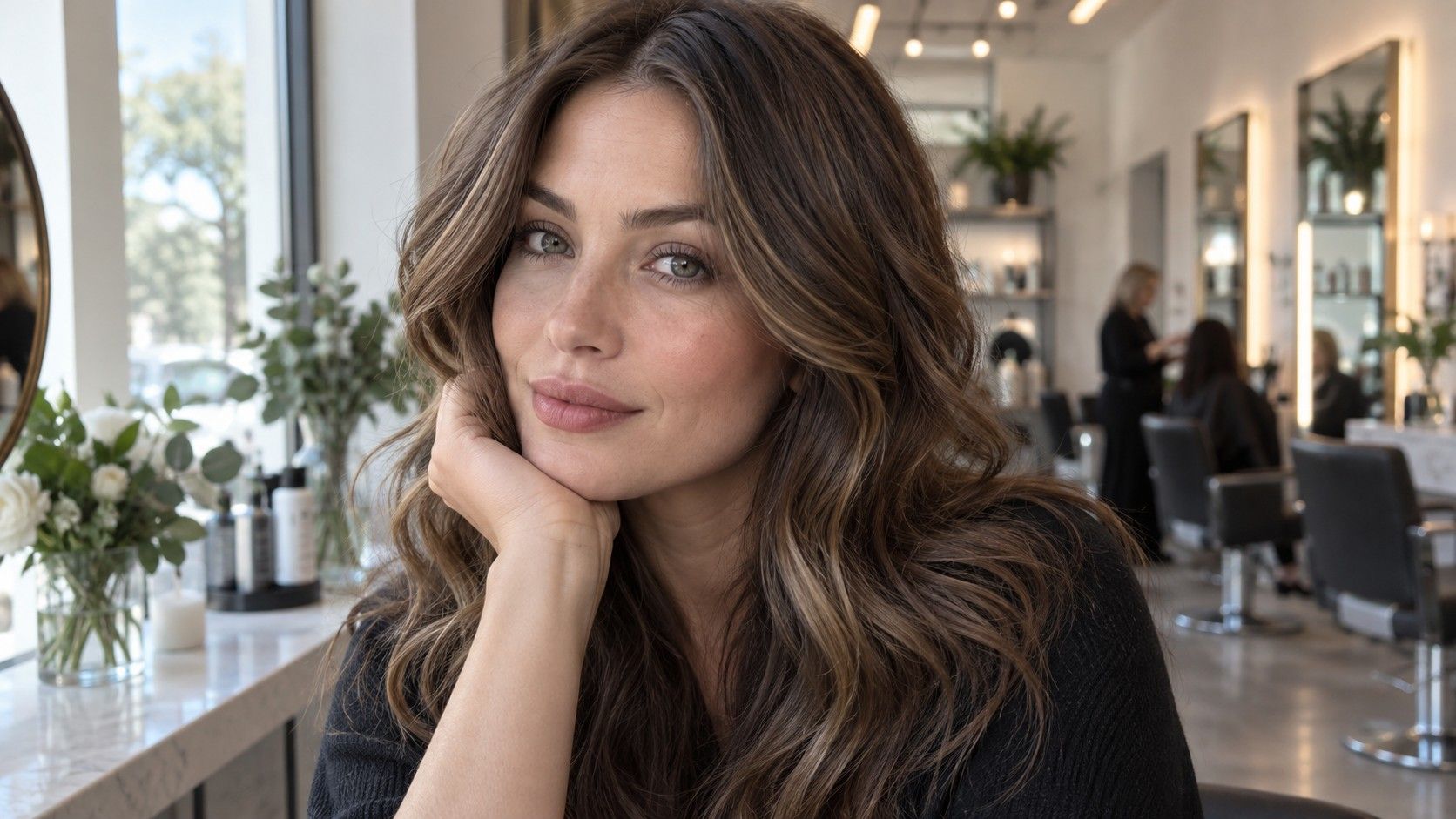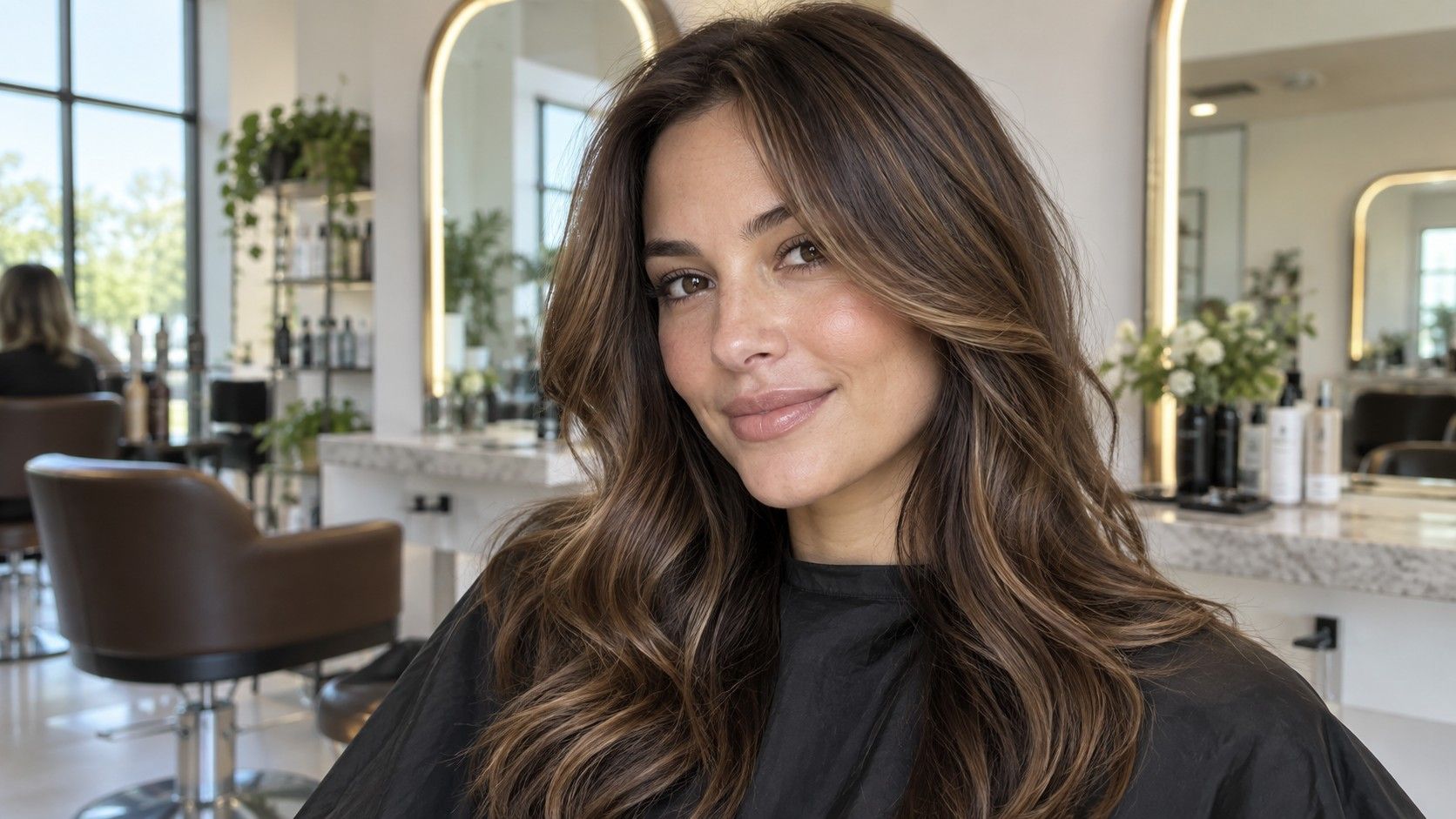
A neutral undertone sounds wonderfully simple: supposedly you can wear anything. In the salon, that idea can become a costly excuse to choose every colour at once. Neutral skin usually has room for both warm and cool hair colours, but it still has a natural depth, level of contrast, and tendency to flush or look sallow. The best hair color for neutral skin tone is the one that works on your unstyled face in daylight, not only on a swatch board under flattering salon lamps.
Confirm neutral undertone without treating one test as a verdict
Neutral undertone usually means the skin does not consistently pull golden or rosy. Veins may look both blue and green; silver and gold jewellery may both be wearable; white may not look obviously harsh or obviously yellow. Those clues help, but none is conclusive. A cool room can make skin look pink, while a self-tan or a favourite foundation can make it look warmer than it is.
Try a practical comparison at home: stand by a window with no makeup, hold a soft ivory fabric under one side of your face and crisp white under the other. Then do the same with muted rose and soft peach. Neutral skin often stays reasonably balanced beside both, even if one looks slightly fresher. The goal is not to win an undertone quiz. It is to learn which colours make shadows around the mouth, nose, and eyes more apparent, because hair dye can magnify the same effect.
Let your natural base set the starting depth
People with neutral undertones can wear a wide range, but a major shift in depth still changes the face. If your natural regrowth is medium brown, moving one or two levels lighter with beige highlights is usually easier to live with than jumping to pale blonde. The result keeps enough of your original contrast for brows and lashes to make sense, while the lighter pieces give the face a lift.
Going darker deserves the same caution. A neutral medium-blonde base can look polished in a soft espresso, yet a dense black-brown may make the skin seem more colourless on low-energy days. Pull your hair back and hold dark knitwear, medium brown paper, and a light towel near the chin. This imperfect test reveals more than a shade name does: it shows which depth makes the features look defined rather than merely dramatic.
Choose blonde, brunette, or red by the finish you want
Neutral undertone gives you options, so narrow them by the effect you want from the mirror. Beige blonde, sandy blonde, and soft champagne tend to look polished without committing to icy platinum or strong gold. They suit someone who wants brightness but still wears a mixed-metal watch, a grey coat, and warm-toned makeup without feeling that the hair clashes with each choice.
For brunette, neutral brown, cocoa, mushroom brown, and balanced chestnut are dependable starting points. They can be adjusted with a few cooler or warmer ribbons instead of changing the entire formula. Red is possible too, but “neutral can wear red” is not the same as “any red will be easy.” A muted auburn or cinnamon gloss is far more forgiving than vivid orange-red when you are unsure how often you want to manage fading and roots.
| Direction | A balanced version to ask about | What to inspect in daylight |
|---|---|---|
| Blonde | Beige, sandy, or champagne with a soft root | Whether the skin still has warmth and the brows do not disappear |
| Light brown | Mushroom brown or neutral bronde | Whether ash makes the face look grey rather than refined |
| Medium brunette | Cocoa or balanced chestnut with fine dimension | Whether warm pieces look rich instead of orange |
| Red family | Muted auburn, cinnamon, or strawberry-beige gloss | Whether redness around the cheeks becomes more obvious |
| Very dark | Soft espresso rather than flat black | Whether under-eye shadows and regrowth feel too stark |
Notice when a neutral shade still looks wrong
“Neutral” on a colour chart does not guarantee a neutral-looking result on hair. Porous blonde ends can grab ash pigment and turn smoky or khaki. Previously dyed brunette lengths can expose orange as soon as they are lifted. A theoretically balanced chestnut may read warm in direct sun because the underlying pigment was warm before the gloss went on. This is why hair history matters as much as skin undertone.
Look for the particular problem rather than declaring the whole colour wrong. If your face looks drained, the hair may be too cool or too light. If the complexion looks red, the colour may be overly warm near the hairline. If the colour feels heavy but the tone is attractive, the depth may simply be too dark. A face-framing adjustment, a gloss, or a few lowlights often solves one of these problems without putting the entire head through another chemical process.
Test the direction gently before booking a major correction
A strand test is not glamorous, but it is the most honest miniature version of a colour change. Ask for it when you have old box dye, lightened ends, or no clear idea how your hair takes pigment. View the dried strand near a window, under kitchen light, and in the bathroom. If it only looks good under one of those lights, that is useful information rather than bad luck.
A gloss is another sensible trial. It can nudge neutral brown cooler, add warmth to a dull blonde, or explore soft auburn without the commitment of a permanent full-head change. It will fade, which is part of the point. Take photos over several washes and notice whether you still like it when you are wearing your everyday clothes. The best hair color neutral skin tones can wear is often discovered through this slow comparison, not a single before-and-after photo.
Use face-framing colour to decide how much warmth you want
Hair around the forehead and temples has an outsized effect on complexion. If you are drawn to warm honey but usually prefer cooler clothing, ask for a few fine beige-honey pieces around the face instead of a full golden blonde. You can see whether the warmth makes the skin glow or simply makes your foundation look wrong. The same logic works in reverse with a cool beige panel against a warm brunette base.
Keep the placement compatible with the cut. On a short bob, broad high-contrast panels can take over the whole style. On layered hair, fine painted pieces can create the same test with a quieter result. The colorist should know whether you usually wear a centre part, a side part, or your hair pinned back. A flattering face frame that vanishes behind your usual parting is not a useful experiment.
Make the salon conversation specific enough to protect the result
Bring two or three images taken in natural light, ideally showing people with a similar starting depth rather than only similar skin colour. Point to details: “I like the soft root,” “I do not want orange near my face,” or “I want warmth that fades quietly.” This gives the colorist a decision framework. Saying only “I have a neutral undertone” does not explain whether you can return every six weeks or want the colour to grow out without a sharp line.
Be direct about your natural base, previous dye, swimming, heat styling, and budget for maintenance. A very light blonde may be technically possible, but if root maintenance is not realistic it can become a permanent source of irritation. Ask what the colour will look like after eight weeks, not just on the day it is styled. For neutral skin, flexibility is the advantage; using that flexibility to choose a colour you can actually keep is the smarter version of having every option.
Maintain tone so the original choice keeps working
Even a balanced hair colour moves over time. Blonde can become yellow, brunette can reveal warmth, and red tones can fade to a dull version of the original plan. Choose care according to the issue you are likely to have, not by buying every purple, blue, and colour-depositing product on the shelf. Overused toning shampoo can make light porous hair look murky; too much pigment on dark hair can leave uneven patches.
Keep a reference photo from the first week, taken in daylight with your usual makeup or no makeup at all. Before the next appointment, compare it with the current colour and write down what changed: brightness at the ends, warmth around the face, or contrast at the roots. That small record helps a colorist adjust the formula rather than guessing. It also makes the next decision calmer, which is useful when a neutral undertone gives you so many directions that the salon menu starts to feel less like freedom and more like homework.